Salesforce Loyalty Cloud enables businesses to create loyalty programs that go beyond basic rewards. By leveraging points, tiers, and dynamic customer interactions, companies can increase engagement, encourage repeat purchases, and build brand loyalty. Understanding how points and tier systems work is crucial to designing a program that drives measurable results.
This guide explains the mechanics of loyalty points and tiered programs, expands on real-world applications, and provides actionable tips to implement or optimize your Salesforce Loyalty program effectively.
Why Points and Tiers Matter?
Loyalty programs are more than just discounts — they are about recognizing customer value and encouraging desired behavior. Points reward repeat engagement, while tiers motivate customers to reach higher levels for greater benefits.
Points and tiers work hand-in-hand:
- Points: Reward specific actions such as purchases, referrals, social engagement, or reviews.
- Tiers: Group customers into levels like Silver, Gold, and Platinum, unlocking progressively better rewards and recognition.
Together, they drive ongoing participation and create a sense of achievement that strengthens loyalty.
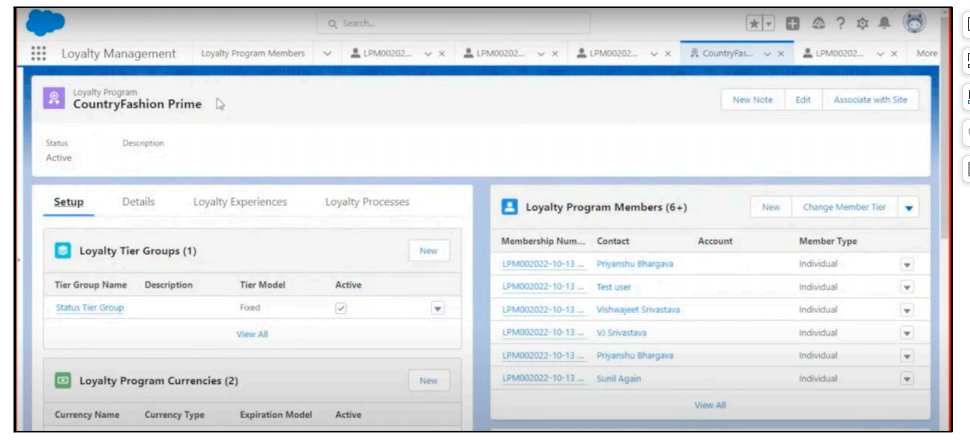
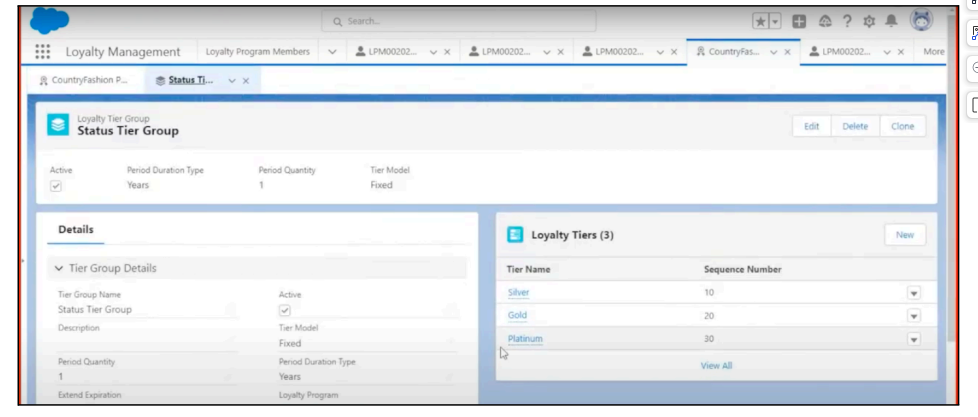
STEPS:
Stage 1: Setting Up Points
Points are the backbone of any loyalty program. You can assign points for different actions, set expiration dates, and create redemption rules. Salesforce Loyalty Cloud allows granular control over point allocation, ensuring each interaction contributes to customer engagement.
How to Configure Points Effectively:
- Define Earning Rules: Decide how customers earn points. Examples:
- $1 spent = 1 point
- 50 points for a referral
- 10 points for product reviews
- Set Expiration Rules: Encourage timely engagement by defining when points expire, e.g., 12 months after earning.
- Redemption Options: Offer rewards such as discounts, free products, or exclusive experiences. Make redemption simple and transparent.
Example: A customer spends $100 and earns 100 points. At 500 points, they can redeem for a $25 discount. This structure encourages repeat purchases and keeps customers engaged.
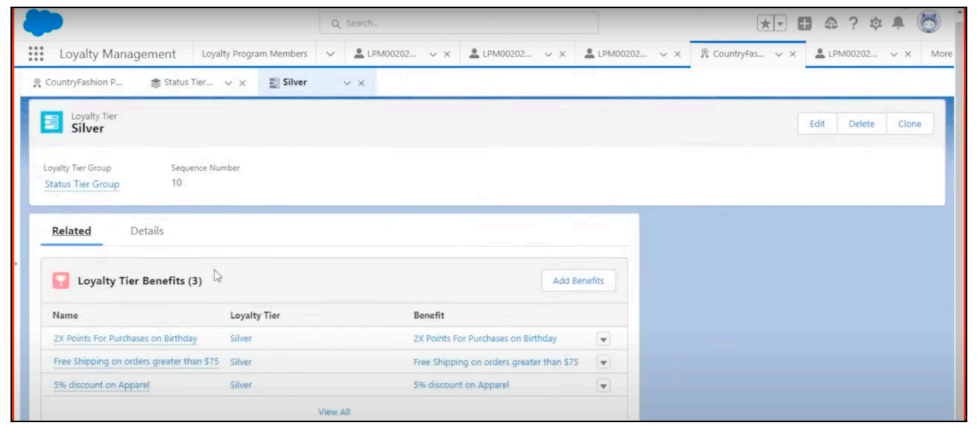
Stage 2: Designing Tier Levels
Tier levels provide recognition and reward progress. Customers move from lower tiers to higher tiers as they accumulate points, unlocking exclusive perks and incentivizing continued engagement.
How to Structure Tiers:
- Silver: Entry-level rewards for new members — small discounts or welcome bonuses.
- Gold: Mid-level rewards for active participants — increased discounts, early access to products.
- Platinum: Top-tier rewards — VIP experiences, exclusive products, and premium support.
Tips for Effective Tier Design:
- Ensure progression is achievable; customers should feel motivated, not frustrated.
- Offer meaningful rewards that are desirable at each level.
- Communicate clearly so customers understand how to reach the next tier.
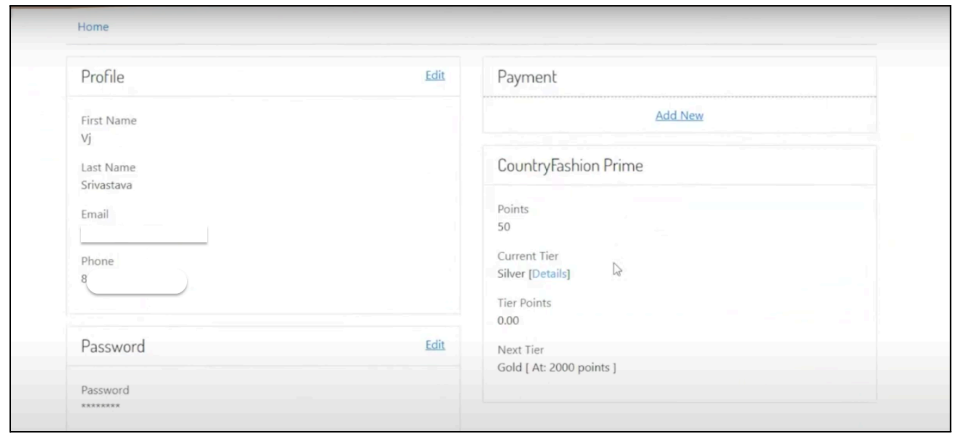
Stage 3: Linking Points and Tiers
Points accumulation determines tier progression. For example, 0–499 points = Silver, 500–999 points = Gold, and 1,000+ points = Platinum. Salesforce Loyalty Cloud automates tier upgrades, providing real-time recognition to members.
Best Practices:
- Automate Tier Upgrades: Avoid manual adjustments; automation ensures consistency and timely recognition.
- Track Engagement Metrics: Monitor redemption rates, tier distribution, and activity patterns.
- Provide Notifications: Alert customers when they move up a tier or earn significant points — gamification and recognition drive satisfaction.
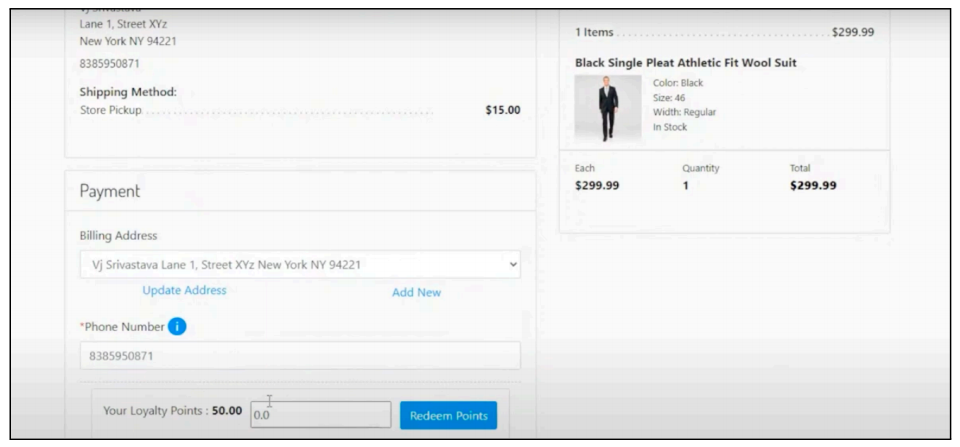
Stage 4: Real-World Application
A practical example of a points and tiers system:
Scenario:
- A retail chain uses a loyalty program integrated with Salesforce Loyalty Cloud.
- Customers earn 2 points per $1 spent.
- Referrals grant 50 points.
- Three tiers exist: Silver (0–499), Gold (500–999), Platinum (1,000+).
Outcome:
- Customers are motivated to reach higher tiers for exclusive perks.
- Increased engagement leads to repeat purchases and higher overall lifetime value.
- Analytics track redemption patterns, enabling program optimization.
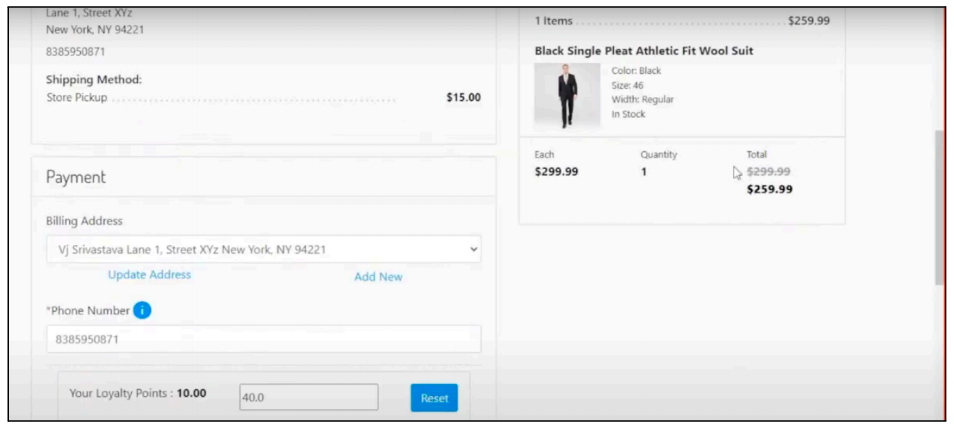
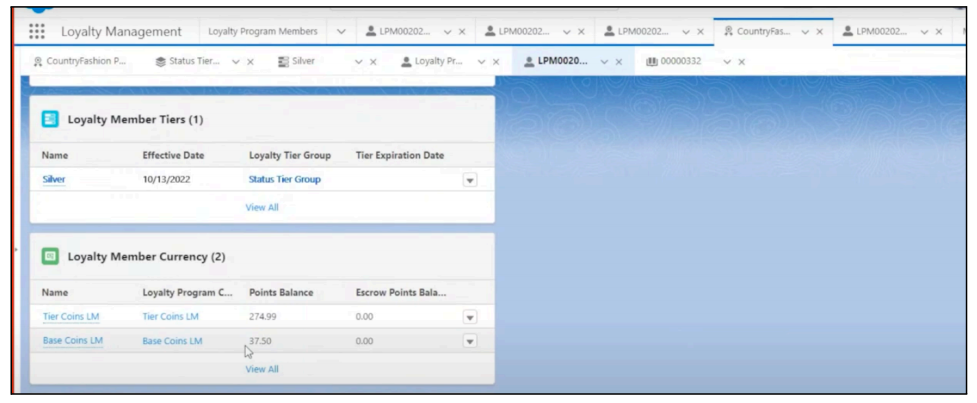
Stage 5: Monitoring and Optimization
Ongoing monitoring is key to loyalty program success. Track engagement metrics, redemption rates, and tier distributions. Use this data to optimize rules, rewards, and communications to keep members active and satisfied.
Tips for Optimization:
- Adjust point allocations if engagement is lower than expected.
- Introduce seasonal or promotional bonuses to re-activate dormant members.
- Solicit feedback to improve the program experience.
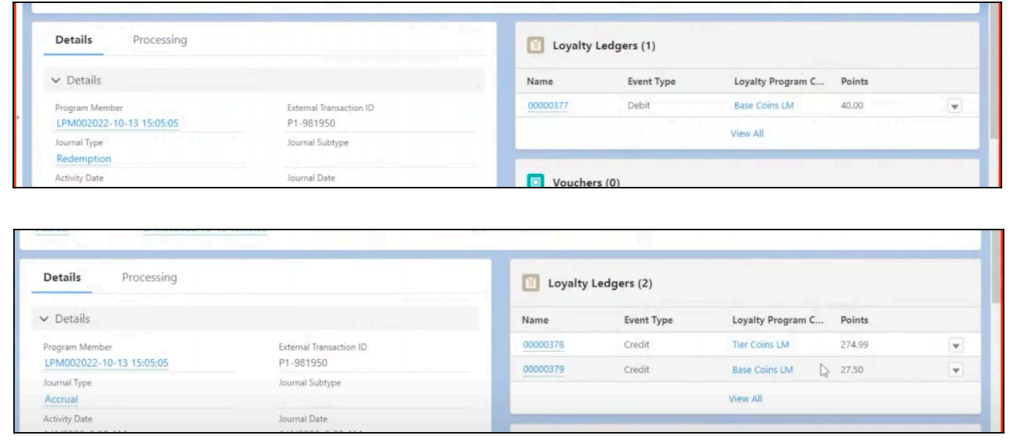
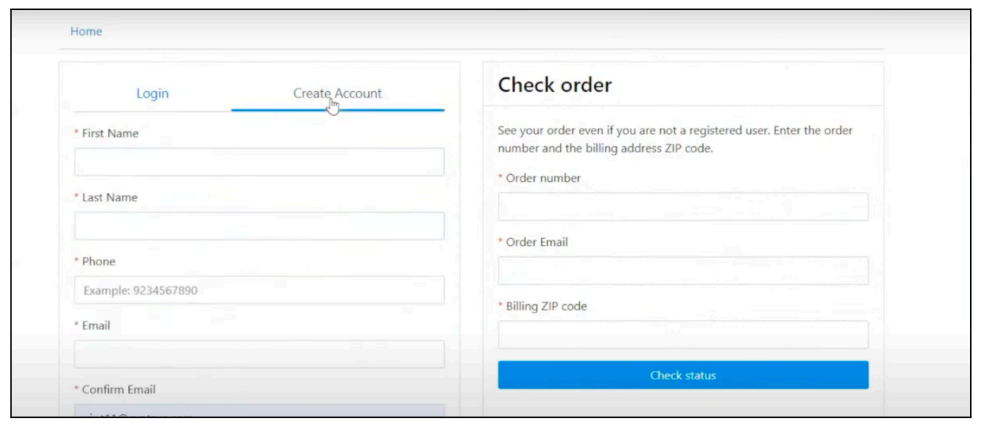
Stage 6 : Viewing Loyalty Activity on Profile
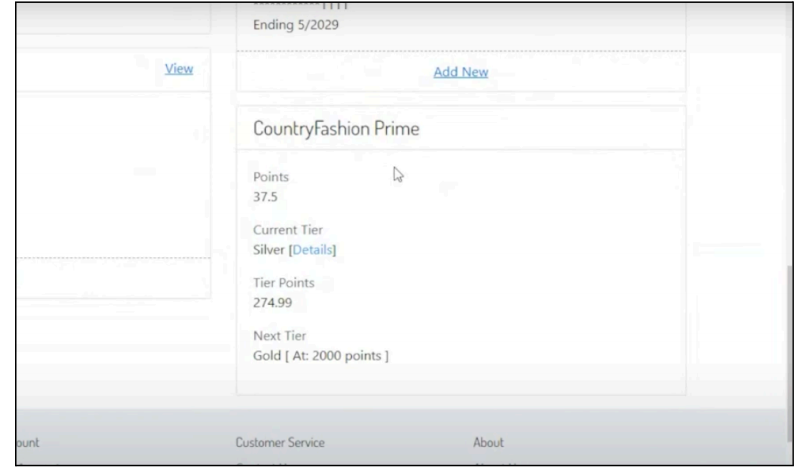
All loyalty-related details including – Current tier status, Points balance, Redemption and accrual history, Tier benefits can be viewed by the user directly on their profile page.
Conclusion
Points and tiers form the foundation of a successful loyalty program. By carefully defining earning rules, tier structures, and redemption options, and leveraging Salesforce Loyalty Cloud for automation and tracking, businesses can foster long-term engagement, increase customer lifetime value, and create advocates for the brand. Implementing these best practices ensures your program is both effective and sustainable, providing measurable business outcomes while delighting your customers.